
Water & Flood Damage Restoration in Raleigh, NC
Water damage can spread through a property quickly, soaking into carpet, flooring, drywall, insulation, cabinetry, furniture, and structural materials. Southern Class Carpet & Upholstery Cleaning provides professional water and flood damage restoration services designed to remove water, locate hidden moisture, dry affected materials, and help reduce the risk of long-term damage.
Serving Raleigh, Holly Springs, Fuquay-Varina, Clayton, and surrounding North Carolina communities, our team uses professional extraction equipment, air movers, dehumidifiers, moisture detection tools, and proven drying techniques to help homeowners and businesses begin the recovery process.
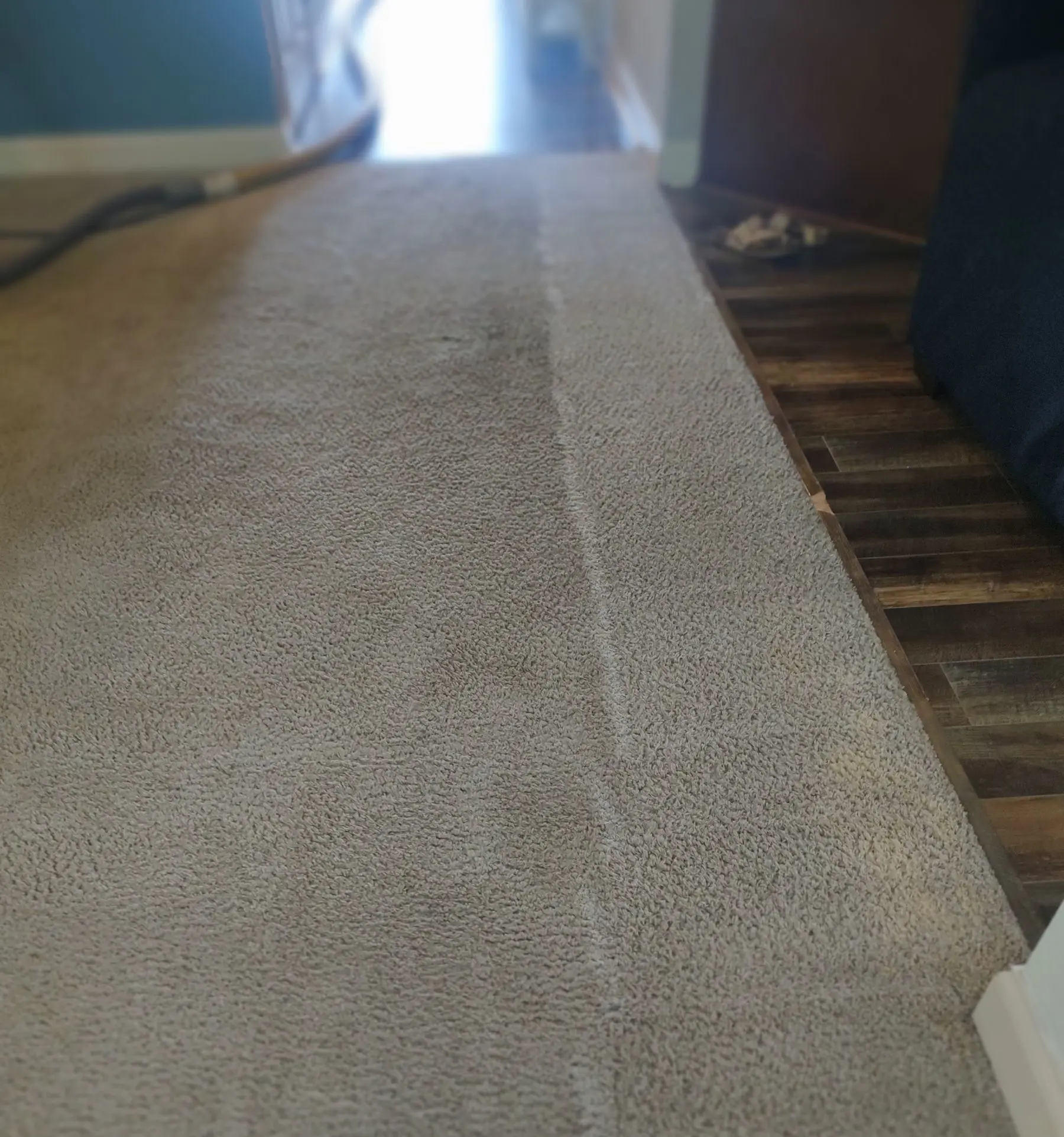
Why Professional Water Damage Restoration Is Important
Removing visible water is only the beginning of a proper restoration project. Moisture can migrate beneath flooring, behind walls, under cabinets, into insulation, and throughout framing where it may remain hidden long after the surface appears dry.
Professional restoration focuses on finding and removing both visible and concealed moisture. Prompt extraction and controlled drying can help preserve building materials, limit odors, reduce microbial growth, and prevent a smaller water loss from becoming a more extensive repair project.
Benefits of Professional Water Damage Restoration
Professional restoration helps protect the structure, indoor environment, and long-term value of your home or commercial property.
Reduced Secondary Damage
Fast water extraction and drying help limit the amount of moisture absorbed by flooring, drywall, wood, insulation, and other building materials.
Hidden Moisture Detection
Moisture meters and inspection tools help identify wet areas that cannot be located through sight or touch alone.
Mold Risk Reduction
Prompt drying removes the moisture mold needs to develop, helping reduce the likelihood of future microbial growth and related odors.
Material Preservation
When addressed quickly, some flooring, walls, cabinetry, furniture, and other materials may be dried and restored rather than completely replaced.
Water Damage Situations We Address
Water intrusion can come from many different sources. Our restoration process is adjusted according to the source, affected materials, contamination concerns, and amount of time the water has been present.
Burst, leaking, or frozen plumbing lines
Overflowing sinks, tubs, and toilets
Washing machine and dishwasher leaks
Water heater failures and supply-line leaks
Storm, roof, and window-related water intrusion
Basement flooding and groundwater intrusion
HVAC and condensate drain overflows
Commercial water losses and flooded workspaces
The Science Behind Structural Drying
Building materials contain microscopic spaces that absorb and hold moisture. Drying only the visible surface may leave water trapped within carpet padding, drywall, wood, insulation, concrete, and framing. Professional restoration uses extraction, evaporation, and dehumidification together to remove that moisture.
Inspect
We assess the water source, affected rooms, material conditions, visible damage, contamination concerns, and areas where moisture may have traveled.
Extract
Professional extraction equipment removes standing water and excess moisture before it can continue spreading deeper into surrounding materials.
Dry
Commercial air movers increase airflow across wet materials, helping trapped moisture evaporate from flooring, walls, framing, and contents.
Dehumidify & Monitor
Dehumidifiers remove evaporated moisture from the air while moisture readings help confirm when affected materials have reached acceptable drying levels.
Finding Hidden Water Before It Causes More Damage
A room may look dry while moisture remains beneath flooring, inside wall cavities, behind baseboards, under cabinets, or within structural framing. These concealed areas can stay wet for days or weeks without professional inspection and drying.
Moisture meters and related detection methods allow technicians to evaluate areas that are not visibly wet. This helps direct equipment where it is needed, reduce unnecessary demolition, and verify that drying is progressing below the surface.
Equipment Used During Water Damage Restoration
Successful drying requires more than household fans and surface cleanup. Professional equipment works together to remove water, increase evaporation, control humidity, and verify moisture levels throughout the affected area.
Water Extractors
High-powered extraction equipment removes standing water and moisture from carpet, padding, flooring, and other accessible surfaces.
Commercial Air Movers
High-volume airflow accelerates evaporation across wet structural materials and increases the effectiveness of the drying environment.
Dehumidifiers
Commercial dehumidification removes water vapor from indoor air so moisture does not settle back into walls, flooring, furniture, or other materials.
Moisture Detection Tools
Moisture meters help locate hidden wet areas and track drying progress until affected materials reach acceptable moisture levels.
Clean Water, Floodwater & Contamination Concerns
Not every water loss should be handled the same way. Water from a clean supply line generally presents different concerns than groundwater, sewage, or storm-related floodwater that may contain bacteria, chemicals, debris, and other contaminants.
The source and condition of the water influence the protective equipment, removal procedures, sanitation steps, drying strategy, and materials that can be safely restored. Contaminated water situations may require additional cleaning, disinfection, and disposal procedures.
What Affects Water Damage Restoration Cost?
Every water loss is different. Restoration pricing depends on the size of the affected area, water source, materials involved, drying conditions, contamination concerns, and how quickly the problem is addressed.
Affected Area
Larger losses generally require additional labor, extraction time, drying equipment, monitoring, and material handling.
Water Category
Clean water, groundwater, sewage, and contaminated floodwater require different safety, sanitation, and removal procedures.
Time Before Service
Water that remains in place longer can migrate farther, damage more materials, create odors, and increase the likelihood of microbial growth.
Materials Affected
Carpet, hardwood, laminate, drywall, insulation, cabinetry, concrete, and furniture each require different restoration and drying methods.
Hidden Moisture
Water behind walls or beneath floors may require additional equipment, controlled access, extended drying, or selective material removal.
Contents & Cleaning Needs
Furniture, upholstery, personal belongings, odors, and contaminated surfaces may require additional cleaning or restoration services.
Why Choose Southern Class Carpet & Upholstery Cleaning?
Water damage can be overwhelming. Our goal is to provide clear communication, careful moisture evaluation, professional drying, and dependable service that helps property owners understand what happened and what steps are needed next.
Professional water extraction equipment
Moisture detection and drying monitoring
Commercial air movers and dehumidifiers
Residential and commercial restoration support
Clear communication throughout the drying process
Careful attention to affected materials and contents
Steps to Take While Waiting for Professional Help
When it is safe to do so, shut off the source of water and avoid entering areas where electrical hazards, contaminated water, unstable ceilings, or structural damage may be present. Move valuables away from the affected area only when it can be done safely.
Contact a restoration provider promptly and document visible damage for your records. Avoid relying only on household fans or assuming a surface is dry because it no longer feels wet. Hidden moisture often requires professional detection and controlled drying.
Water Damage Prevention Tips
Not every water loss can be prevented, but routine property maintenance can reduce the likelihood of major leaks, flooding, and moisture-related damage.
Inspect plumbing connections and supply lines regularly
Replace aging appliance hoses before they fail
Monitor water heaters for rust, leaks, or corrosion
Install water leak detection devices near appliances
Keep gutters and downspouts clear
Inspect roofing after severe weather
Maintain proper drainage around the foundation
Service HVAC condensate systems regularly
Water & Flood Damage Restoration FAQs
Can a property look dry while moisture is still present?
Yes. Water may remain inside walls, beneath flooring, under cabinets, within carpet padding, or inside framing after the visible surface appears dry.
Why are household fans not enough?
Household fans provide limited airflow and do not remove moisture from the air. Structural drying typically requires high-volume air movement combined with commercial dehumidification.
Does every water loss lead to mold?
No, but mold requires moisture and time. Prompt water removal and professional drying significantly reduce the conditions that allow mold to develop.
Will wet hardwood flooring always need replacement?
Not necessarily. Some hardwood flooring can be dried and preserved when restoration begins quickly and the damage has not progressed too far.
Why are moisture readings taken after surfaces feel dry?
Surface dryness does not confirm that the inside of a material is dry. Moisture meters help verify internal drying before equipment is removed.
Is floodwater different from water from a broken pipe?
Yes. Floodwater may contain bacteria, sewage, chemicals, soil, and debris. These losses often require specialized protective, cleaning, sanitation, and disposal procedures.
Can furniture and upholstery be restored after water damage?
Some furniture and upholstered items may be cleaned and restored depending on the water source, materials, exposure time, and extent of contamination.
Does homeowners insurance cover water damage?
Coverage depends on the cause of the loss and the terms of your policy. Contact your insurance provider promptly to review available coverage and claim requirements.
Need Help After Water or Flood Damage?
Fast action can help limit structural damage, reduce hidden moisture, and preserve more of your property. Contact Southern Class Carpet & Upholstery Cleaning to begin the water extraction and drying process.
Request Water Damage Restoration